Leave It Be

Brain & Mind, Simplicity, and How to Improve Everyone’s Wellness


Reading Time: 1 min 50 sec

I hope the next 22-ish breaths are the most nourishing of your day.


4 THOUGHTS

1. How to Synchronize Breath, Brain, and Mind

“The synchronization between respiration and slow neural activity is likely key to understanding the brain-physiology relationship…Slow rhythms thus provide a link and shared feature of respiration, neural, and mental activity serving as their ‘common currency.’”

- Goheen et al. (2023), Neuroscience Bulletin

Slow rhythms are the “common currency” of breath, brain, and mind. And since breath is the easiest one to slow on purpose, it’s the fastest way to calm the others. Breathe slowly, and the rest follows.

2. Why Breathing is a Most Important Part of Meditation

“So, the curious thing about breath is that it can be looked at both as a voluntary and an involuntary action. You can feel, on the one hand, ‘I am doing it,’ and, on the other hand, ‘it is happening to me.’ And that is why breathing is a most important part of meditation—because it is going to show you, as you become aware of your breath, that the hard and fast division that we make between ‘what we do’ on the one hand and ‘what happens to us’ on the other is arbitrary.

– Alan Watts, Leave It Be
(transcribed from audio)

Another gem from Watts on how, with the proper framing, observing the breath becomes a gateway into a universal insight: “doing” and “being done to” are often indistinguishable.

3. How to Improve Everyone’s Well-Being

“These analyses demonstrated the potential therapeutic role of laughter-inducing interventions as a complementary strategy to improve everyone’s well-being and highlight the need for further research aiming to improve our collective sense of humor.”

- Kramer and Leitao (2023), PLOS One

I’ve shared this one before, but it’s worth revisiting: Across eight studies, they found that laughter reduced cortisol by 31.9%. So laugh more this week—and help someone else laugh too.

4. How to End Quarrels

“People forget that their lives will end soon. For those who remember, quarrels come to an end.”

- The Buddha, The Dhammapada

Amazing how, when we reflect on how short life is, most of our conflicts start looking pretty insignificant. And the few that don’t are a gift, revealing what matters most to us.


1 Quote

Life is sustained by breath. The moment we have that sense of shared breath, a sense of relationship to the world, we have spirituality.”
— Satish Kumar

1 GOOD BOOK

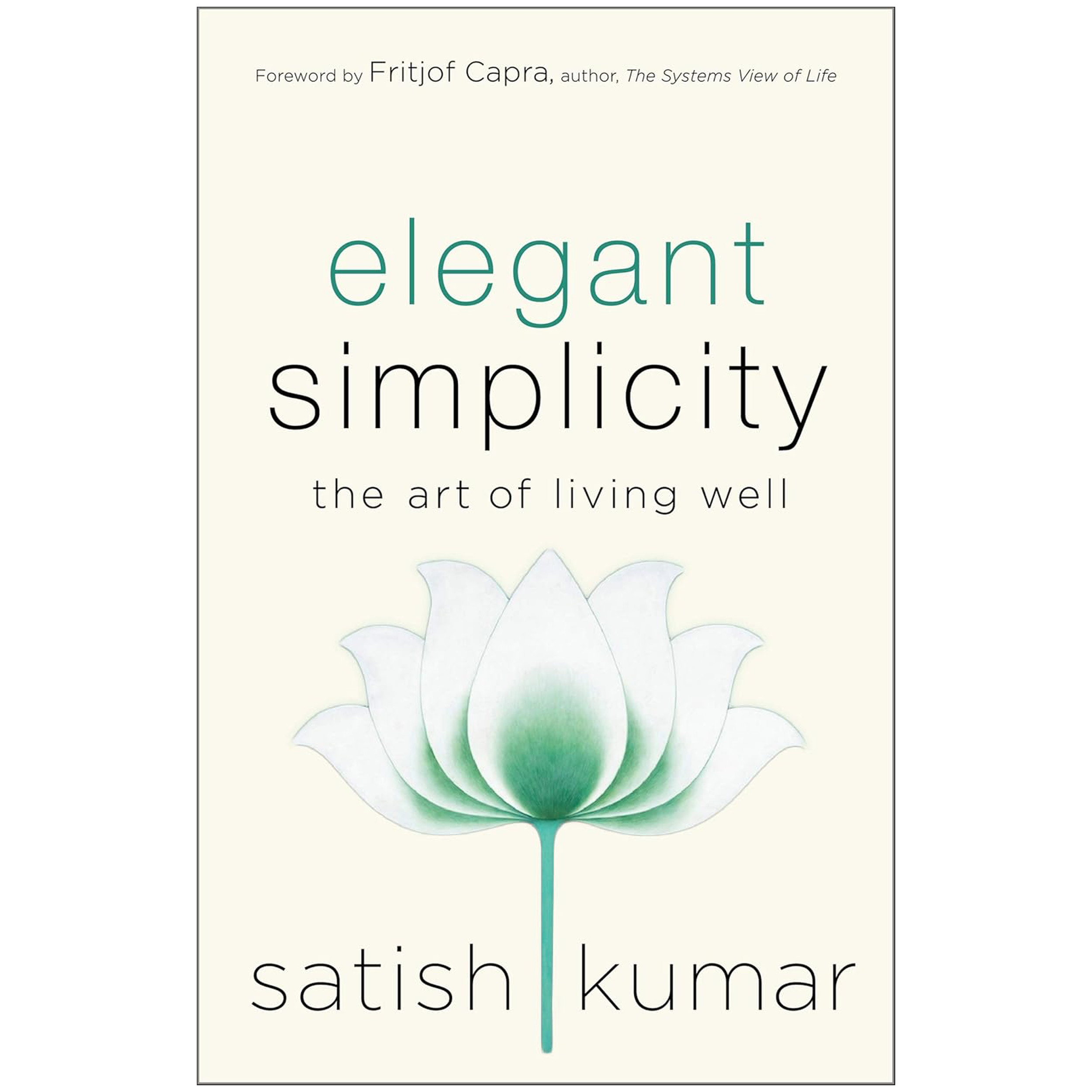
Elegant Simplicity by Satish Kumar

Kumar once walked 8,000 miles with no money in his pocket for a cause he believed in…crazy. That ‘be the change’ pilgrimage spirit carries through to this book. He lays out how to simplify your life—not just materially, but also mentally and spiritually, too.

In good breath,

Nick Heath, T1D, PhD
“Breathing is the compound interest of health & wellness.”

P.S. “you looked stressed”

Get One of My Digital Guidebooks


The Breathing App for Diabetes

This is the first program specifically made for people with diabetes to help manage their stress through breathing and mindfulness practices. In addition to the amazing program inside the app, we have some really neat things coming up, so sign up now!

Learn more here.


Amazon Associate Disclosure

I’ve been recommending books for almost 6 years. Yet somehow, I just discovered that I could be an Amazon affiliate [face-palm]. In any case better late than never. Now, any Amazon link you click is an affiliate link. As an Amazon Associate, I earn from qualifying purchases. So, if you’d like to support my work, buying books through these links is helpful : )

* An asterisk by a quote indicates that I listened to this book on Audible. Therefore, the quotation might not be correct, but is my best attempt at reproducing the punctuation based on the narrator’s pace, tone, and pauses.


How to Signal Calm, Nirvana, and Increasing Your Odds of Happiness


Reading Time: 1 min 45 sec

I hope the next 21-ish breaths are the most nourishing of your day.


4 THOUGHTS

1. How to Send Signals of Calm to Your Brain

“Most contemplative practices share the commonality of slowed breathing, either intentionally, or as a consequence of the calming practice…changes in breathing rate are quickly signaled to the brain, allowing the brain to interpret that the body is in a relaxed, calm state, and safe state.”

- Crosswell et al. (2024), Psychological Review

When you deliberately slow your breath, the brain receives signals of safety, allowing the rest of the body to reach a relaxed, calm, and peaceful state. In other words, calm isn’t something you chase, it’s something you can signal.

2. Exhaling to Reach Nirvana

“Nirvana. This word means ‘blow out.’ Nir is a negative word, and vana is blowing. So, it’s a kind of out blowing.

So, nirvana means ‘breathe out.’ Let it go because it will come back to you if you let it go. But if you don’t let it go, you’ll just suffocate.”

– Alan Watts, Leave It Be
(lighlty edited for readability)

How good is that? It brings to mind this one from Michael J Stephen, MD: “Buddhism and Hinduism were based on an understanding of the potency of the breath. According to these disciplines, studying and harnessing the breath was the only recognized way to nirvana.”

3. Breath as a Built-In Feature of Prayer & Mantras

“Recitation of the rosary, and also of yoga mantras, slowed respiration to almost exactly 6/min, and enhanced heart rate variability and baroreflex sensitivity.”

- Bernardi et al. (2001), British Medical Journal

I was on a call with some friends when this study came up. It reminded me of how classic prayers and mantras naturally slow the breath to ~6 breaths/min, without any instructions. Even a simple phrase repeated gently can be a doorway to calm.

4. How to Increase Your Odds of Happiness 6 Billion to 1

“As I've heard it told, the Dalai Lama once said, ‘When you count others’ happiness as your own, your chances of being happy increase six billion to one.’”

- Oren Jay Sofer, Say What You Mean

Sounds like better odds to me : )


1 Quote

That point at the tip of the nostril can be viewed as a sort of a window between the inner and outer worlds.”
— Bhante Gunaratana

1 GOOD BOOK

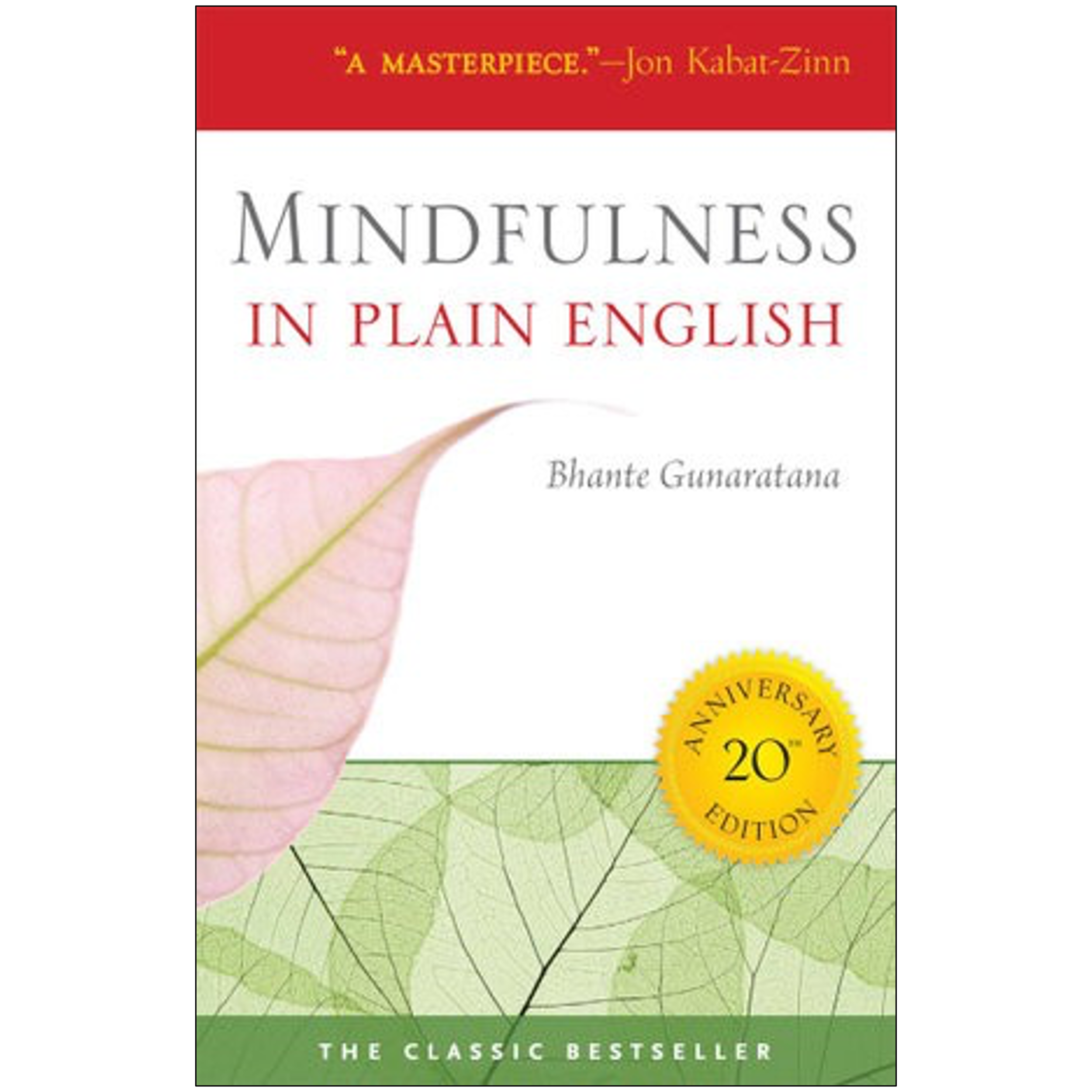
Mindfulness in Plain English by Bhante Gunaratana

This book is an excellent foundational resource on meditation and mindfulness. I had to read it three times to fully appreciate how good it is. I definitely recommend it.


In good breath,

Nick Heath, T1D, PhD
“Breathing is the compound interest of health & wellness.”

Enjoy these posts? Donate to say thanks!

P.S. tis the season

Get One of My Digital Guidebooks


The Breathing App for Diabetes

This is the first program specifically made for people with diabetes to help manage their stress through breathing and mindfulness practices. In addition to the amazing program inside the app, we have some really neat things coming up, so sign up now!

Learn more here.


Amazon Associate Disclosure

I’ve been recommending books for almost 6 years. Yet somehow, I just discovered that I could be an Amazon affiliate [face-palm]. In any case better late than never. Now, any Amazon link you click is an affiliate link. As an Amazon Associate, I earn from qualifying purchases. So, if you’d like to support my work, buying books through these links is helpful : )

* An asterisk by a quote indicates that I listened to this book on Audible. Therefore, the quotation might not be correct, but is my best attempt at reproducing the punctuation based on the narrator’s pace, tone, and pauses.