Reading Time: 2 min 0 sec
I hope the next 24-ish breaths are the most nourishing of your day.
4 THOUGHTS
1. Why We Want High HRV (and how to get it)
“High heart rate variability is associated with smooth, efficient prefrontal cortex activity and executive-function tasks including working memory and inhibitory control. This means that by increasing your heart rate variability, you improve your prefrontal lobe activity and with it your ability to self-regulate, inhibit negative thoughts, make objective decisions, and remember what you learn.”
- Leah Lagos, Psy.D.,
Heart Breath Mind
And one of the fastest (if not the fastest) and most reliable ways to increase HRV? Slow breathing, of course 😊
2. How the Brains of Meditating Monks Give Hope
In Beyond Anxiety, Martha Beck describes how reading a single meditation study influenced her life. I’m sharing it as a powerful reminder of what contemplative practices can offer:
“Each new study I read gave me more hope, especially a study where neurologists peered into the brains of Tibetan monks who had spent years in meditation. These men, it was found, had unusually dense tissue in the brain regions associated with happiness, compassion, and calm. … In the end, my career was based less on my intellectual training than on my near-pathological conviction that every one of us can fulfill our deepest longing and make the world a better place. After I read the Tibetan monk study, this conviction grew roots so deep nothing could shake it. I was convinced I could fix my brain.”
3. How to Make Decisions Right
“Rather than recommending endless analysis, my experience and research suggest taking a limited amount of information available at the time and going ahead and choosing an option. Then, rather than worry about whether the decision was right, we should try to make it work. Look at any advantages that accrue from whatever happens, and then play it as the “right decision.” That is, don’t try to make the right decision, make the decision right.”
- Ellen Langer, Ph.D.,
The Mindful Body
I’m not sure if I fully agree with this (lol), but I always appreciate viewpoints that make me pause and think. Perhaps we can never truly know whether a decision was “right,” so the better practice is to learn how to “make the decision right.” 🤔
4. The Beauty of Doing Something Daily
Here is the beauty of doing something daily: it enables us to see clearly, know deeply, and understand our world more intimately.
- Libby Delana,
Do Walk
Just an excellent reminder of the value of a daily practice, whether it’s breathing, meditation, walking, or something else you enjoy.
1 Quote
“Getting more familiar and even comfortable with knowing that we don’t know is its own form of profound and healing intelligence.””
1 GOOD BOOK
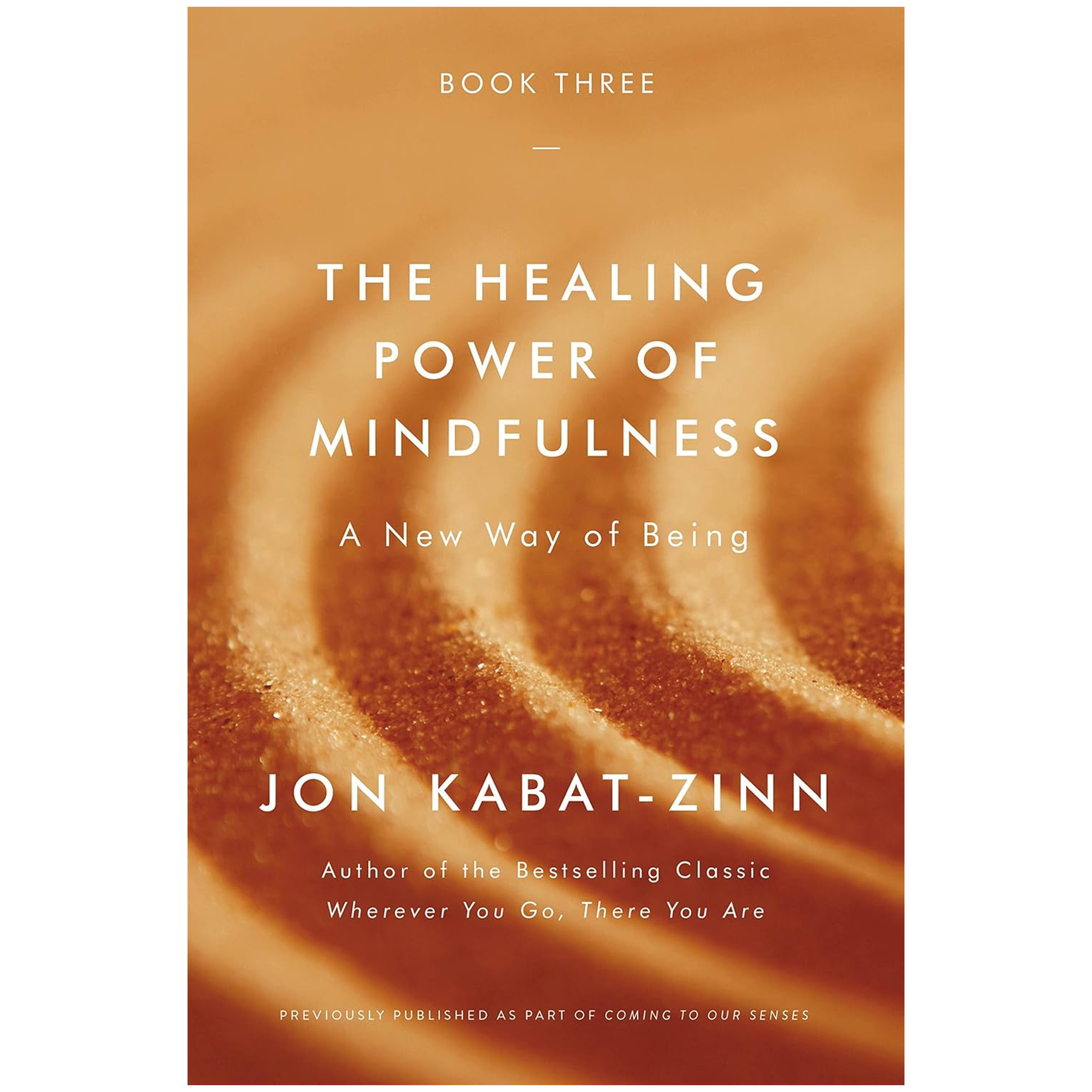
The Healing Power of Mindfulness by Jon Kabat-Zinn, Ph.D.
This is another excellent mindfulness book from Kabat-Zinn. I’d still recommend Full Catastrophe Living first, but this is a great follow-up, grounded in both science and practicality.
In good breath,
Nick Heath, T1D, PhD
“Breathing is the compound interest of health & wellness.”
P.S. it would be a hit
Wisdom Meditation: Bridging the Second Gap
Wisdom Meditation is a simple, science-grounded practice designed to change how you actually live. In just 12 minutes a day, it helps you encode wisdom into your nervous system so calm, clarity, and better choices show up in real life.
Treat Yourself to Less Stress & Better Breathing


Amazon Associate Disclosure
I’ve been recommending books for almost 6 years. Yet somehow, I just discovered that I could be an Amazon affiliate [face-palm]. In any case better late than never. Now, any Amazon link you click is an affiliate link. As an Amazon Associate, I earn from qualifying purchases. So, if you’d like to support my work, buying books through these links is helpful : )
* An asterisk by a quote indicates that I listened to this book on Audible. Therefore, the quotation might not be correct, but is my best attempt at reproducing the punctuation based on the narrator’s pace, tone, and pauses.