Reading Time: 1 min 30 sec
I hope the next 18-ish breaths are the most nourishing of your day.
4 THOUGHTS
1. Remarkable Effects on Physiology
Breath work—learning how to change breathing habits and practicing specific breathing techniques—has remarkable effects on physiology. It cannot cause harm, requires no equipment, and costs nothing…and is the most effective treatment I know for anxiety.”
Andrew Weil, MD, Mind Over Meds
👏👏👏
2. The Three Ingredients of Deep Rest
A 2024 review coined the idea of deep rest.
It has three primary ingredients:
Physical safety
Psychological safety
Parasympathetic dominance
Physical and and psychological safety come from set & setting. Parasympathetic dominance comes from slow, rhythmic breathing.
When all three are present, energy is redirected from stress to cellular repair and healing.
Safety + slow breathing = restoration.
3. One of the Most Fascinating Aspects of Slow Breathing
One of the most fascinating aspects of slow breathing isn’t just what it does to the nervous system…it’s what it does to the brain.
For example, in one study, slow breathing caused:
Greater power in slower brainwave frequencies (the rhythms associated with calm focus)
Increased connectivity across brain regions
Stronger coupling between theta (slower waves) and high-beta (faster waves)
Thus, slow breathing isn’t just calming the body. It’s appears to also reorganize patterns in the brain to promote calm and coherence.
If you’re interested, I explain how to apply this science in The Anxious Person’s Breath Manual.
4. Slowness, Memory, and Mindfulness
“The degree of slowness is directly proportional to the intensity of memory; the degree of speed is directly proportional to the intensity of forgetting.”
– Milan Kundera
That’s a simple and elegant heuristic for living. The more you slow down, the more you remember. And since “mindfulness” comes from a Pali word meaning “to remember,” we might playfully adapt Kundera’s line as:
The degree of slowness is directly proportional to the depth of our mindfulness. 👏
1 Quote
“But when you practice moving at a speed that is compatible with human nature—and you build that into your daily life—you begin to train your attention and focus.””
1 GOOD BOOK
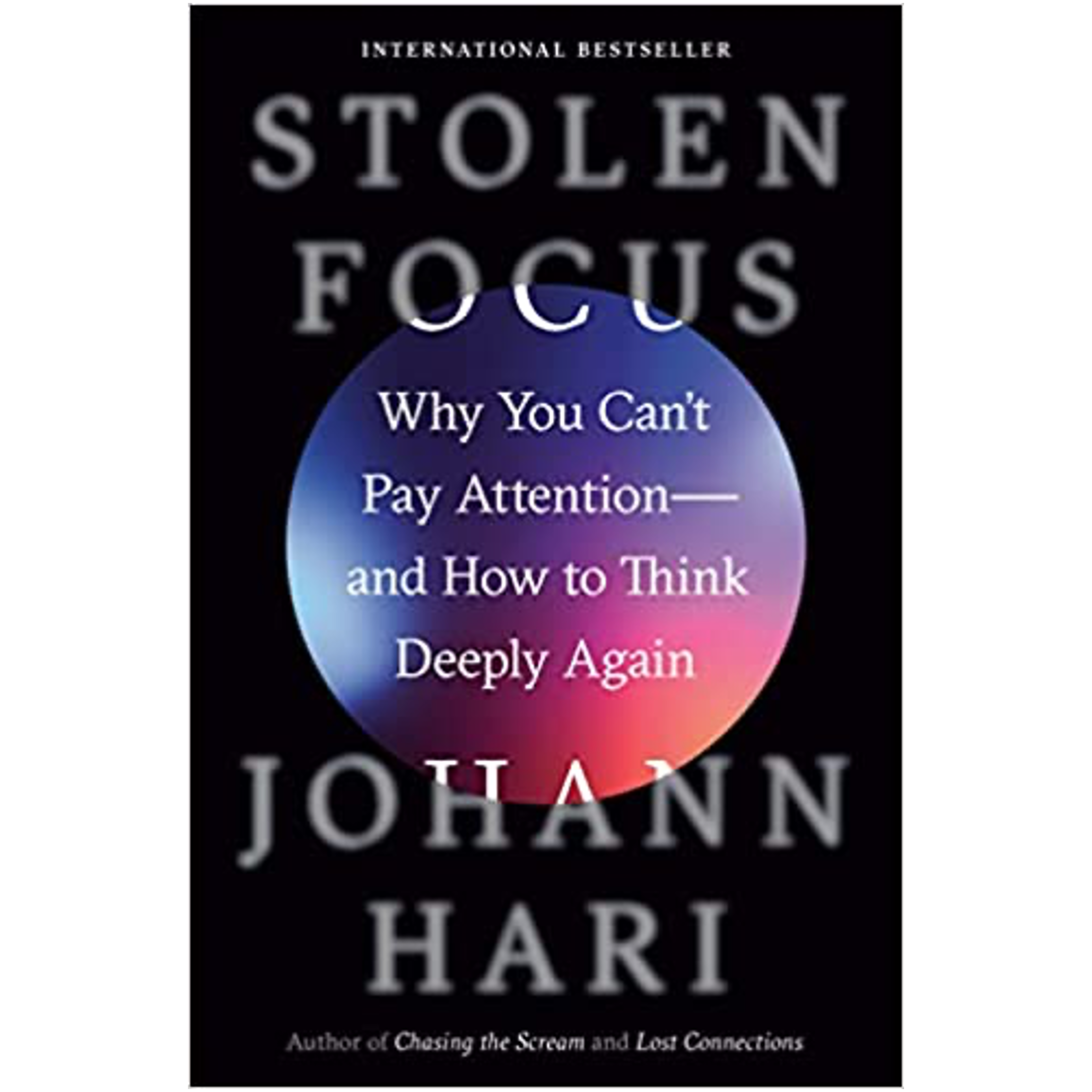
Stolen Focus by Johann Hari
An awesome look at why we can’t concentrate. Hari combines research, interviews, and a 3-month phone-free experiment to show how we can begin to reclaim our focus.
In good breath,
Nick Heath, T1D, PhD
“Breathing is the compound interest of health & wellness.”
P.S. my favorite childhood memory
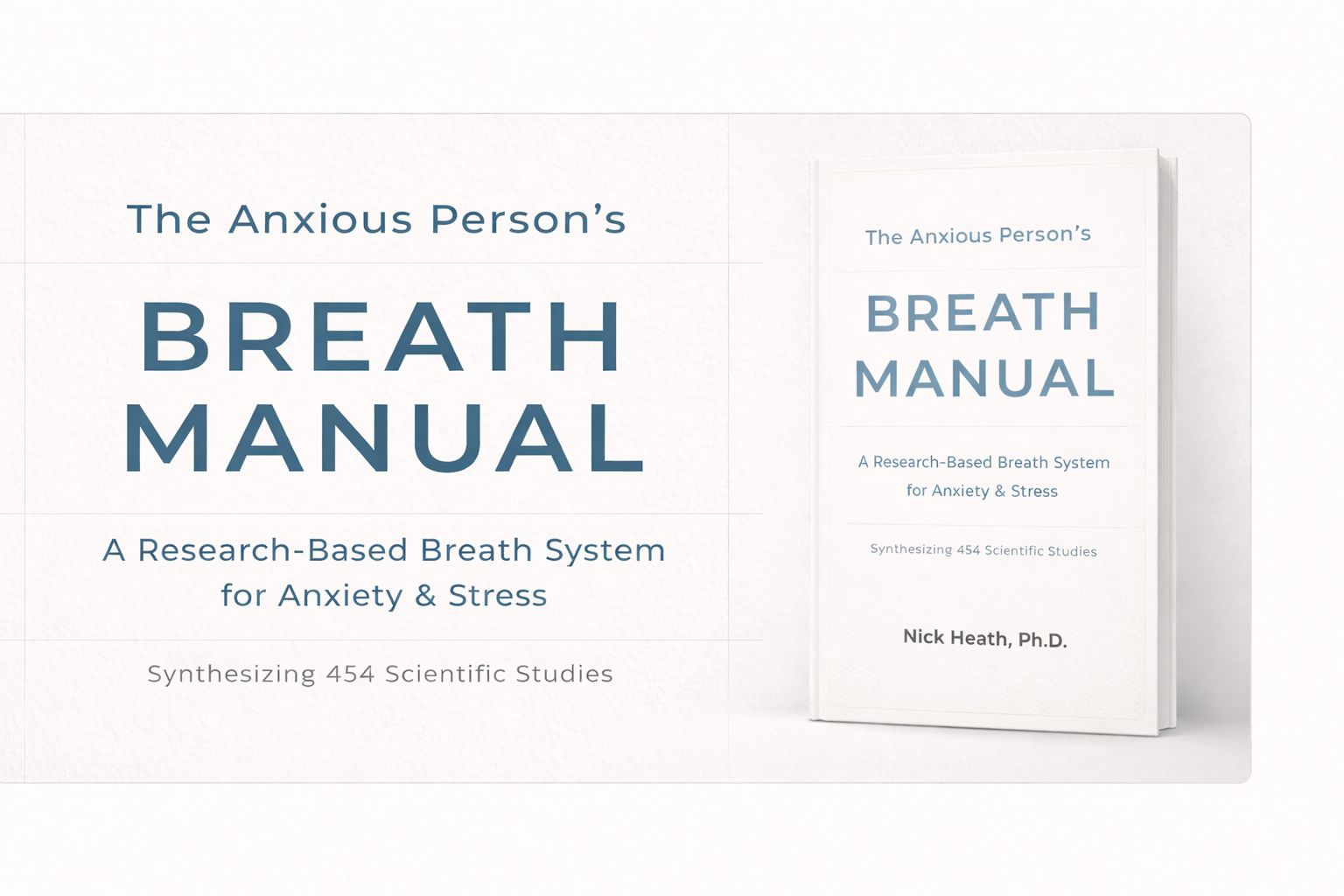
Synthesizing 454 studies to provide a structured, research-based breath system for regulating anxiety at the nervous system and brain levels.
Amazon Associate Disclosure
I’ve been recommending books for almost 6 years. Yet somehow, I just discovered that I could be an Amazon affiliate [face-palm]. In any case better late than never. Now, any Amazon link you click is an affiliate link. As an Amazon Associate, I earn from qualifying purchases. So, if you’d like to support my work, buying books through these links is helpful : )
* An asterisk by a quote indicates that I listened to this book on Audible. Therefore, the quotation might not be correct, but is my best attempt at reproducing the punctuation based on the narrator’s pace, tone, and pauses.