Reading Time: 1 min 44 sec
I hope the next 21-ish breaths are the most nourishing of your day.
4 THOUGHTS
1. How Much Time Should You Spend Practicing?
“I think the amount of time that you spend on this work is not that important…what is important here is the regularity of doing this work. You want to do this every day without fail because you are attempting to change rhythms in your nervous system, and it’s the constancy of the input, it’s the regularity of the input, that is going to produce these changes over time.”
– Andrew Weil, MD,
Breathing: The Master Key to Self Healing
A great reminder when it comes to breathing or any contemplative practice: We’re changing the rhythms of our nervous systems (and minds), so the exact amount of time matters much less than the daily consistency of showing up 🙏
2. Slow Breathing & the Healing Touch of Prayer
“In many ways, this resonant breathing offered the same benefits as meditation for people who didn’t want to meditate. Or yoga for people who didn’t like to get off the couch. It offered the healing touch of prayer for people who weren’t religious.”
– James Nestor, Breath
Nothing to add 👏
3. Don’t Solve Your Problems—Dissolve Them
“You don’t solve your problems in this practice, it is sometimes said, you dissolve them.”
- Larry Rosenberg, Breath by Breath
A perfect reframe for the power of our practice. It’s not about solving every problem. It’s about giving us perspective so that they naturally dissolve on their own.
4. The Joy of Meditation
Meditation is offering your genuine presence to yourself in every moment. It’s the capacity to recognize clearly that every moment is a gift of life, a gift from the Earth and sky. In Zen, this is known as the “joy of meditation.”
- Thich Nhat Hanh, Peace Is Every Breath
I’m not suggesting I get to this state in my practice every morning (far from it 😅). But what a perfect reminder that, at their core, many contemplative practices are about recognizing just how lucky we are to be alive.
1 Quote
““The point of meditation is not to eliminate emotions. It is to learn how to accommodate them skillfully and with compassion for oneself and others.””
1 GOOD BOOK
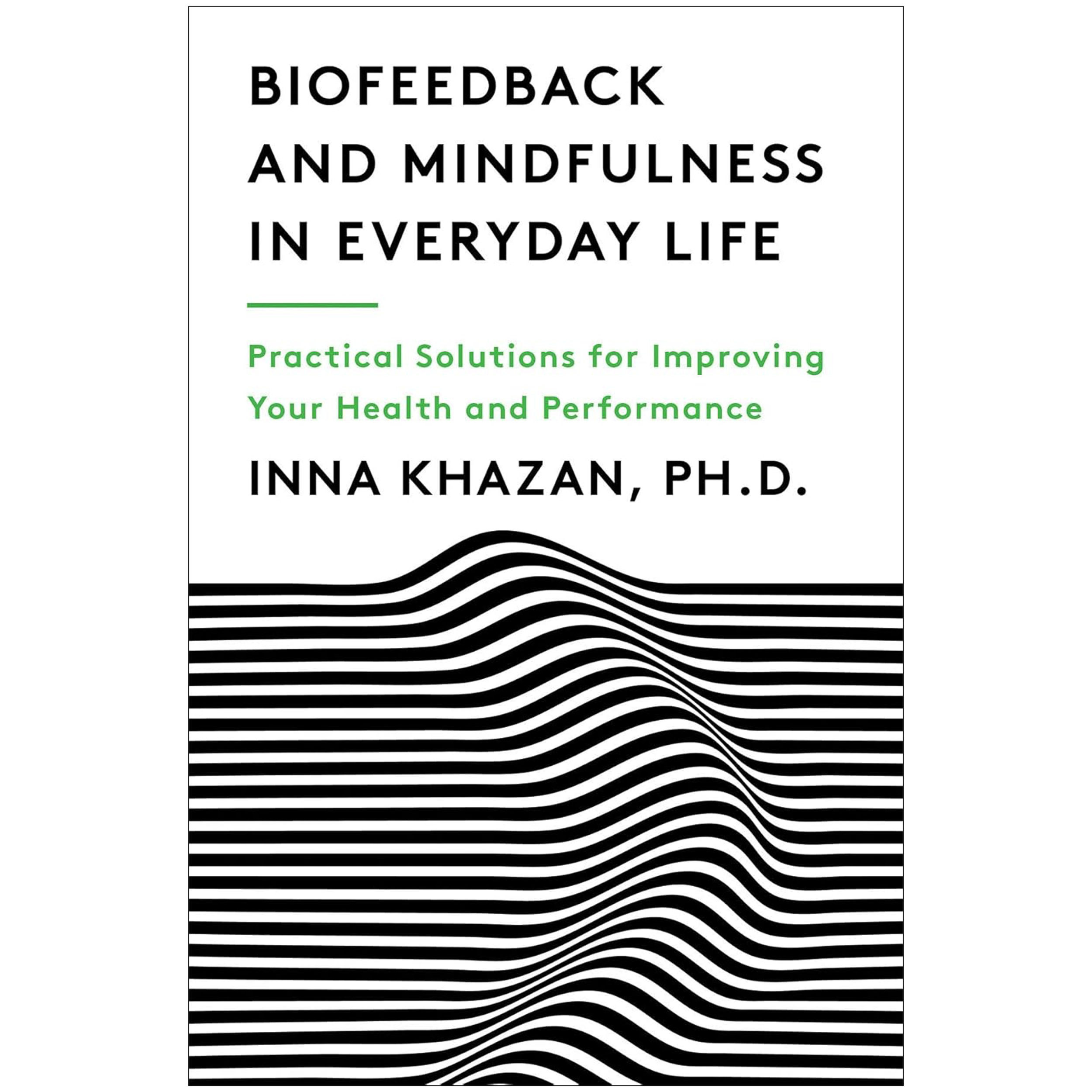
Biofeedback and Mindfulness in Everyday Life by Inna Khazan, Ph.D.
Although I’m not a huge fan of biofeedback personally, this is an excellent book on breathing, mindfulness, and their application in everyday life. It also has a great basic physiology section, written in an accessible way. Definitely worth the read if you want to nerd out a little.
In good breath,
Nick Heath, T1D, PhD
“Breathing is the compound interest of health & wellness.”
P.S. sound on
Wisdom Meditation: Bridging the Second Gap
Wisdom Meditation is a simple, science-grounded practice designed to change how you actually live. In just 12 minutes a day, it helps you encode wisdom into your nervous system so calm, clarity, and better choices show up in real life.
Treat Yourself to Less Stress & Better Breathing


Amazon Associate Disclosure
I’ve been recommending books for almost 6 years. Yet somehow, I just discovered that I could be an Amazon affiliate [face-palm]. In any case better late than never. Now, any Amazon link you click is an affiliate link. As an Amazon Associate, I earn from qualifying purchases. So, if you’d like to support my work, buying books through these links is helpful : )
* An asterisk by a quote indicates that I listened to this book on Audible. Therefore, the quotation might not be correct, but is my best attempt at reproducing the punctuation based on the narrator’s pace, tone, and pauses.