Daniel Siegel

Free App, Better Aging, and How Meditation Affects the Breath


Reading Time: 1 min 47 sec

I hope the next 21-ish breaths are the most nourishing of your day.


4 THOUGHTS

1. Free Breathing App for Diabetes

“Slow breathing could be a simple beneficial intervention in diabetes.”

- Bernardi et al. (2017), Nat. Sci. Rep.

The Breathing App for Diabetes is free until January 1, 2026.

You know the saying, “A good day starts the night before”? We might say: “A good year starts the month before.”

So, if you want to end 2025 calmly and start 2026 on the right foot, sign up for the free app while the offer lasts.

iPhone

Android

2. How Meditation Affects the Body & Breathing

“First of all, meditation changes the breathing pattern, allowing people to breathe more slowly and deeply due to a reduction in oxygen hunger. This reduction probably has to do with the fact that when we are in a meditative state, we process everything more efficiently; therefore, our metabolic needs are reduced—we are doing more with less.

- Shinzen Young, The Science of Enlightenment

Just an excellent reminder that one of the main physiological changes during meditation is a slowed breathing rate, which then confers additional benefits. We would call this “Natural Slow Breathing” in this post.

3. Deep and Slow Breathing to Promote Successful Aging

“Nonetheless, this study provides evidence that: 1) DSB [deep and slow breathing] seems to reduce anxiety level and increase vagal outflow (which are negatively correlated with each other) in both young and older adults; 2) DSB could have a greater effect on parasympathetic activity in older adults…As such, DSB represents a practical, low-cost exercise that can be performed anywhere in order to promote successful aging.

- Magnon et al. (2021), Nat. Sci. Rep.

This study found that just 5 minutes of slow breathing—four seconds in, six seconds out—reduced anxiety and increased HRV in both young and older adults. A nice reminder that simple practices can support “successful aging.”

4. Is the Brain a Peripheral Heart?

“Now, some people say, ‘Well, hold on, is the heart a peripheral brain?’

And I say, ‘Well, maybe the brain is a peripheral heart.’”

- Daniel Siegel, The Mindful Brain

Just a wonderful reframe to keep us thinking and playfully challenge our assumptions about how our minds and bodies work 🧠 ❤️


1 Quote

It is as if the breath contains, folded into itself, a power that we can come to simply by giving ourselves over to it and following it as if it were a path.”
— Jon Kabat-Zinn, Ph.D.

1 GOOD BOOK

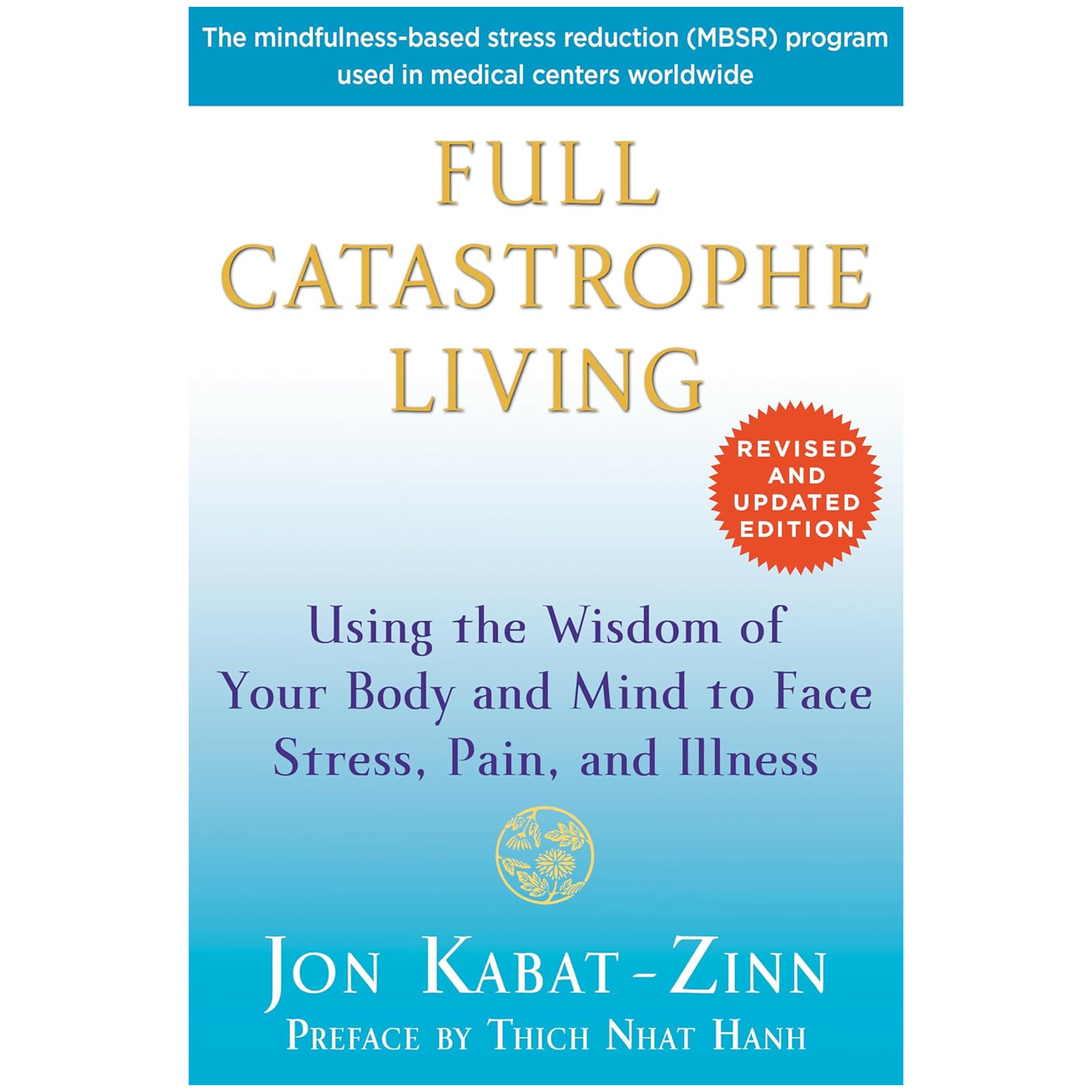
Full Catastrophe Living by Jon Kabat-Zinn, Ph.D.

This is the classic text on Mindfulness-Based Stress Reduction (MBSR). It’s full of wisdom on breathing, mindfulness, and healing. A must-read for anyone interested in the contemplative sciences.

In good breath,

Nick Heath, T1D, PhD
“Breathing is the compound interest of health & wellness.”

P.S. really onto something

Treat Yourself to Less Stress & Better Breathing


The Breathing App for Diabetes

This is the first program specifically made for people with diabetes to help manage their stress through breathing and mindfulness practices. In addition to the amazing program inside the app, we have some really neat things coming up, so sign up now!

Learn more here.


Amazon Associate Disclosure

I’ve been recommending books for almost 6 years. Yet somehow, I just discovered that I could be an Amazon affiliate [face-palm]. In any case better late than never. Now, any Amazon link you click is an affiliate link. As an Amazon Associate, I earn from qualifying purchases. So, if you’d like to support my work, buying books through these links is helpful : )

* An asterisk by a quote indicates that I listened to this book on Audible. Therefore, the quotation might not be correct, but is my best attempt at reproducing the punctuation based on the narrator’s pace, tone, and pauses.


Two Influential Studies, 23.5 Hours, and My Favorite Story


Reading Time: 1 min 41 sec

I hope the next 20-ish breaths are the most nourishing of your day.


4 THOUGHTS

1. Two Separate Studies, Two Similar Outcomes

Two influential meta-analyses published two years apart showed that breathing interventions significantly lower stress & anxiety.

  • The 2021 analysis revealed that breathing decreases anxiety with medium to large effects (CBT usually produces small to medium effects).

  • The 2023 analysis found that breathing reduces stress, with effects statistically comparable to CBT, meditation, mindfulness, and acceptance-based therapies.

They’re both great reminders of how powerful the breath is for lowering stress and anxiety.

2. The Other 23.5 Hours of the Day

“The point of meditation is not just to have some pleasant experience during meditation, then come back to the same-old same-old. The real effects are experienced during the other twenty-three and a half hours of the day.

- Dean Sluyter, Natural Meditation

Whether it’s meditation, breathing, yoga, or any other wellness practice, let’s remember that the real effects are experienced once we finish and take that new mindset out into the world.

3. How to be Nonjudgmental (hint: you probably can’t)

“So, when you hear a term like nonjudgmental, it’s really difficult to embrace the idea that it’s ever truly possible when you're alive. Instead, we should think about the concept of ‘not clinging onto judgments.’ The brain is constantly making the judgments, and the effort needs to be made to dissolve those judgments, which are really anticipations and expectations.”

- Daniel Siegel, MD, The Mindful Brain

Just a wonderful reminder that we are human, and so we will always make judgments. Thus, when we try to be nonjudgmental (in mindfulness, meditation, etc.), it’s really about “not clinging to judgments,” not “not judging at all.”

4. My Favorite Story (again)

“A disciple asks a Zen master: ‘How long does it take to be able to experience Awakening?’

‘Maybe 20 years,’ answers the master.

‘And if I am in a hurry?’ asks the disciple again.

‘In that case, it is 50 years,’ concludes the master.”

- Steven Laureys, MD, The No-Nonsense Meditation Book

A humorous, always-needed reminder on patience, which applies far beyond just “awakening” 😊


1 Quote

Love will take you further than sheer effort ever will.”
— Joseph Nguyen

1 GOOD BOOK

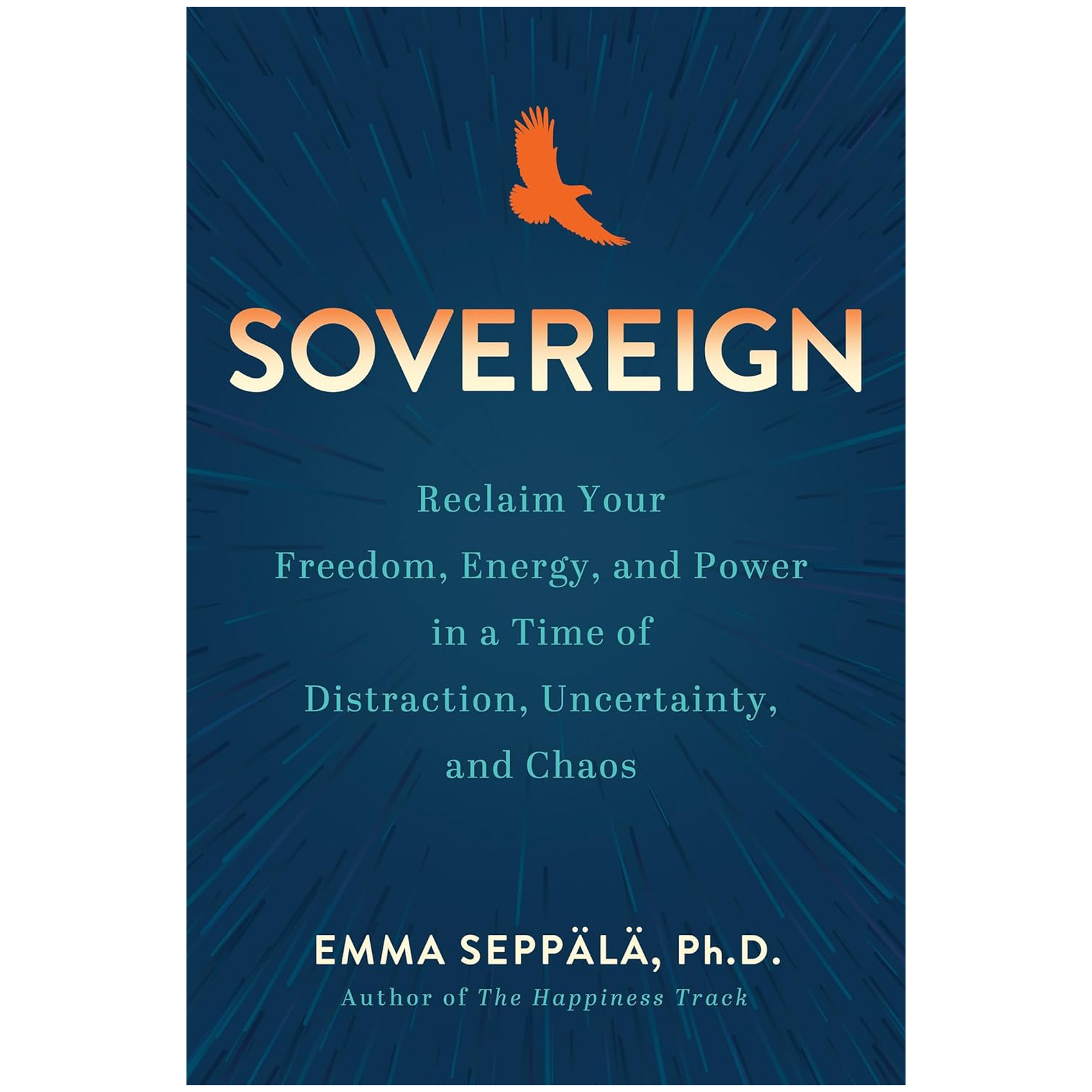
Sovereign by Emma Seppälä, Ph.D.

This is a great book filled with wisdom on taking control of and shaping our lives. It’s also got a ton of good information on the transformational power of breathing (and especially on the science of SKY breathing). Definitely a valuable read.


In good breath,

Nick Heath, T1D, PhD
“Breathing is the compound interest of health & wellness.”

Enjoy these posts? Donate to say thanks!


P.S. spooky season


Get One of My Digital Guidebooks


The Breathing App for Diabetes

This is the first program specifically made for people with diabetes to help manage their stress through breathing and mindfulness practices. In addition to the amazing program inside the app, we have some really neat things coming up, so sign up now!

Learn more here.


Amazon Associate Disclosure

I’ve been recommending books for almost 6 years. Yet somehow, I just discovered that I could be an Amazon affiliate [face-palm]. In any case better late than never. Now, any Amazon link you click is an affiliate link. As an Amazon Associate, I earn from qualifying purchases. So, if you’d like to support my work, buying books through these links is helpful : )

* An asterisk by a quote indicates that I listened to this book on Audible. Therefore, the quotation might not be correct, but is my best attempt at reproducing the punctuation based on the narrator’s pace, tone, and pauses.


This is Astonishing, Heart & Brain, and Your Mind Can Change Your Life


Reading Time: 1 min 40 sec

I hope the next 20-ish breaths are the most nourishing of your day.


4 THOUGHTS

1. Slow Breathing Synchronizes Heart and Brain Rhythms

Here is Leah Lagos, Psy.D., explaining a study where participants breathed at 6 breaths a minute for 5 minutes:

“They found that when subjects were in resonance, the resonance-induced oscillations seen in the heart were also observed in all nine brain regions. Their conclusion: Paced breathing at 0.1 Hz leads to large fluctuations in the diameter of blood vessels and, ultimately, improves the level of oxygenation of the brain, which aids cognitive and emotional control.”

- Heart Breath Mind

It’s another excellent reminder of the power of slow breathing to positively impact the heart, brain, and mind.

2. We Have More Control Over Our Biology Than We Might Think

“By manipulating our breath, body, awareness, feelings, and thoughts, we can decrease tension and stress. We can evoke or suppress specific emotions and focus our thoughts in ways that biologically influence other parts of the brain. From a neuroscientific perspective, this is astonishing…”

- Andrew Newberg, MD, and Mark Waldman, How God Changes Your Brain

A motivating reminder that, using voluntary control over our breath, body, and mind, we can positively influence essentially all aspects of our lives 👏

3. Your Mind Can Change Your Brain (and your life)

“The bottom-line, scientific take-home message is that you can use the focus of your mind to change your brain, to liberate your potential, and to improve your physiological well-being, your mental well-being, and your relational well-being.”

- Daniel Siegel, MD, The Mindful Brain

Building on the previous thought, we see just how powerful contemplative practices are for our overall well-being 🙏

4. Ready to Put This Into Practice?

If you’re ready to put Thoughts 1-3 into practice, check out my digital guide, The Anxious Person’s Breath Manual. Based on 400+ studies, it’ll help you apply science-backed breathing techniques to reduce stress, build resilience, and live an overall healthier life.

Get instant access.


1 Quote

But when the going gets tough, the tough get sitting. This is precisely the time to apply our deepest skills and widest perspective—not to evade or deny the hard situation, but, on the contrary, to see it with clear eyes.”
— Dean Sluyter

1 GOOD BOOK

Heart Breath Mind by Leah Lagos, Psy.D.

This is an excellent read on the power of slow breathing to train our hearts for better performance and less stress. If you’re into optimal performance—or just love applied breath science—definitely check it out.


In good breath,

Nick Heath, T1D, PhD
“Breathing is the compound interest of health & wellness.”

Enjoy these posts? Donate to say thanks!


P.S. me vs. my phone


Get One of My Digital Guidebooks


The Breathing App for Diabetes

This is the first program specifically made for people with diabetes to help manage their stress through breathing and mindfulness practices. In addition to the amazing program inside the app, we have some really neat things coming up, so sign up now!

Learn more here.


Amazon Associate Disclosure

I’ve been recommending books for almost 6 years. Yet somehow, I just discovered that I could be an Amazon affiliate [face-palm]. In any case better late than never. Now, any Amazon link you click is an affiliate link. As an Amazon Associate, I earn from qualifying purchases. So, if you’d like to support my work, buying books through these links is helpful : )

* An asterisk by a quote indicates that I listened to this book on Audible. Therefore, the quotation might not be correct, but is my best attempt at reproducing the punctuation based on the narrator’s pace, tone, and pauses.